

Airports Express Case Study:
Built to Be Found
A friend asked us for a site that would win bookings from search. So the search work came first: the structure was set before the design was.
Visit Website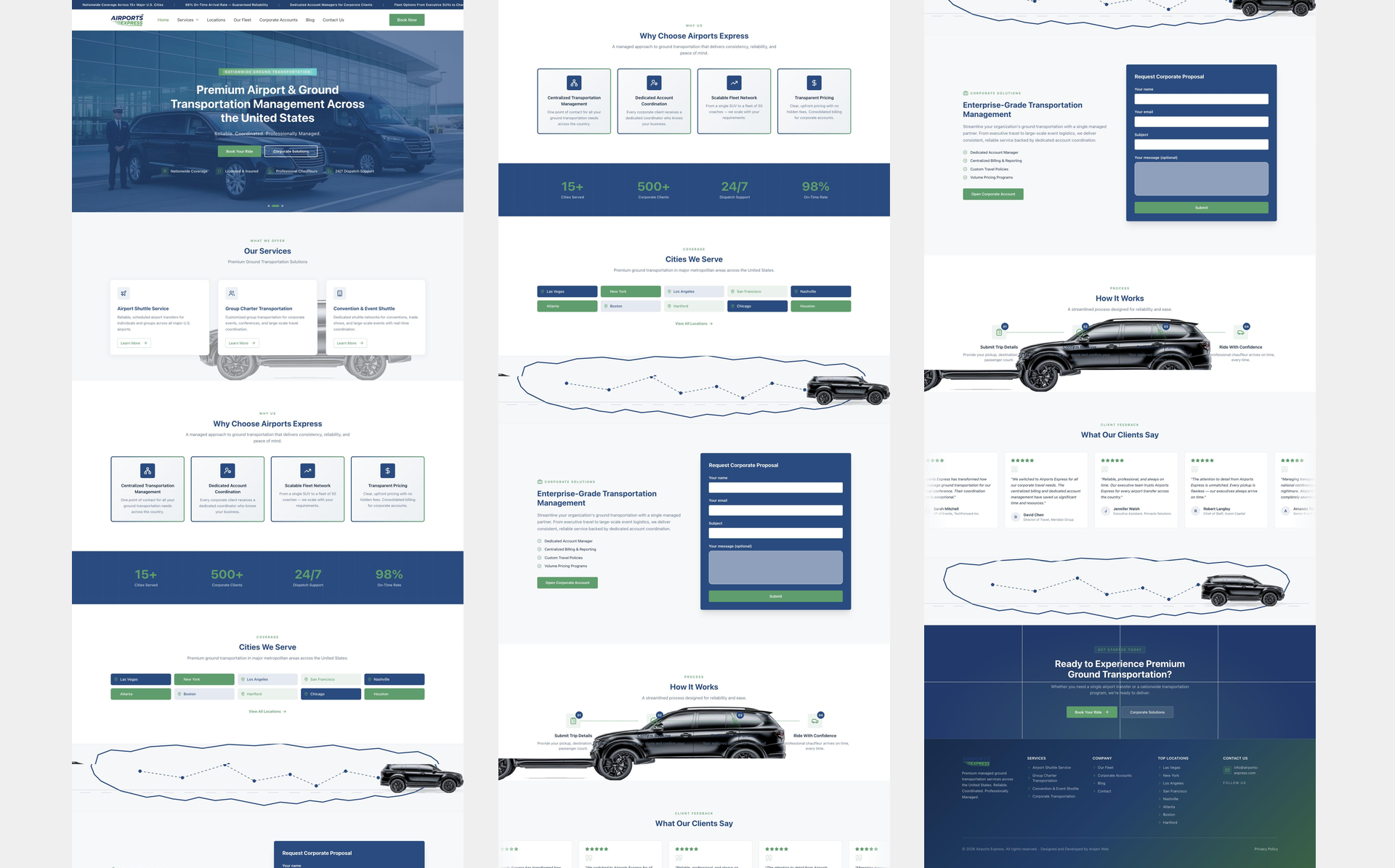
Visual Showcase
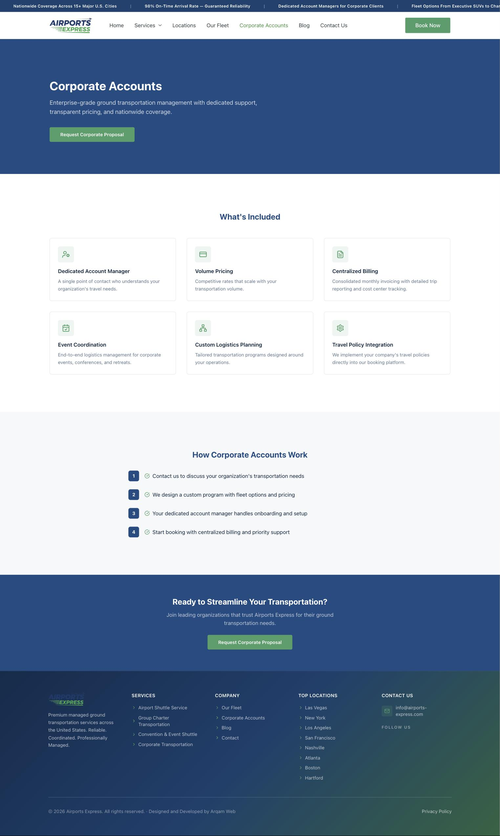
Crafted with precision, down to the pixel
Overview
How we transformed this business

The Problem
Ground transport is one of the most contested search markets in the US, and this site had to earn its bookings from search rather than from a brand people already knew.

Our Approach
We studied the competitors before writing a specification, and set the structure from what the search results demanded rather than from what looked tidy in a menu. Design came after that, and went to the client before any of it was built out.

The Outcome
Ten pages live across four named service lines, a locations hub, a fleet page and a corporate accounts route. The design was approved after a round of changes, and the search work is running now.
Project Story
From vision to launch — every step, intentional
- Took the brief from a client we had worked with before, now representing an American ground transportation company
- The stated purpose was search: more bookings and more sales through organic results
- Established that the site would serve the US market in English
- Agreed that the search requirement would drive the structure rather than sit on top of it
- Went through the sites already ranking in this market and recorded how each one was organised
- Set out what this site would need in order to compete with them on the terms that count in search
- Turned that into a written specification of pages, service lines and routes to booking
- Confirmed the specification with the client before design started
- Designed and coded the interface and presented it to the client
- He asked for changes to it
- Implemented all of them
- Settled the design before the rest of the pages were built on it
- Four service pages, one for each named line of business
- A locations hub for the cities the operator covers
- A fleet page for buyers who choose by vehicle, and a corporate accounts route for buyers who choose by contract
- A blog put in place for the search work that would follow
- Began the on-page search work across the pages
- Kept the blog as the vehicle for the content side of it
- This is the one project in this portfolio still in progress
- No results are claimed here, because it is too early for any to mean anything
What We Built
Performance & Delivery

Four Named Service Lines
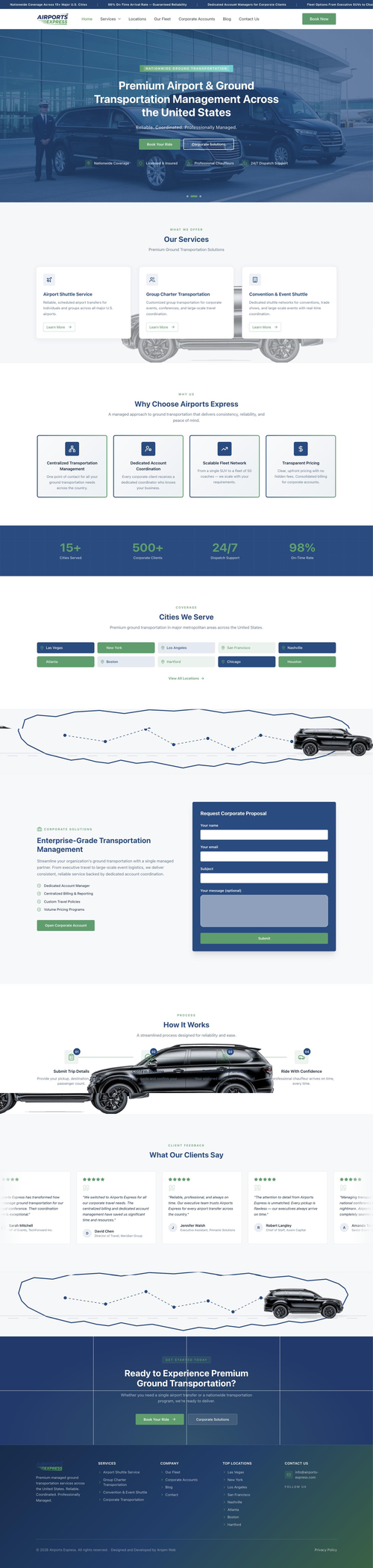
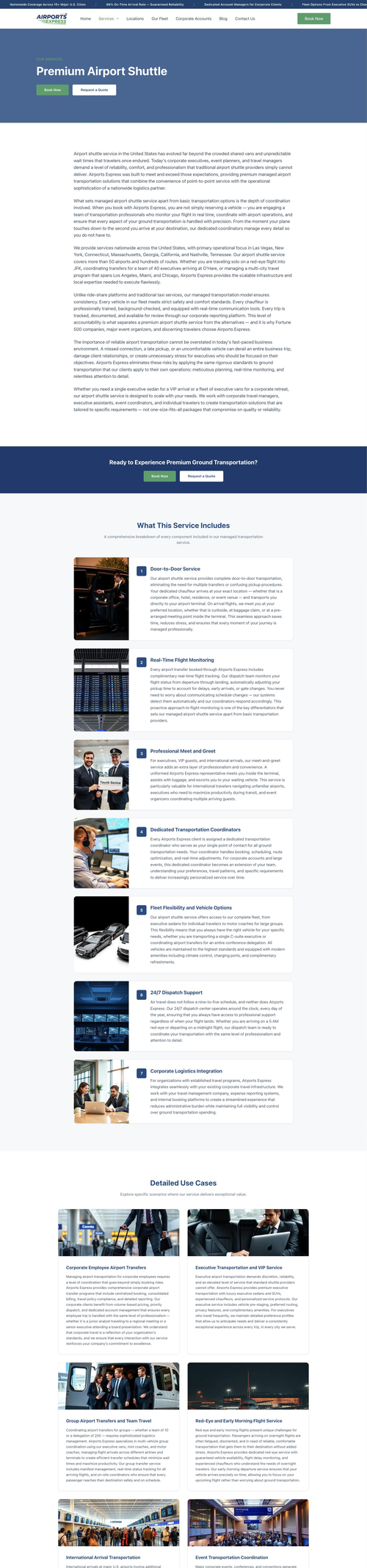
Premium Airport Shuttle, Professional Group Charter, Convention and Event, and Corporate Airport Transportation each have their own page, because in this market they are four different searches rather than one.

A Locations Hub
One place listing the cities the operator serves, so a visitor arriving from a city search lands somewhere that names their airport instead of a general homepage.

The Fleet Page
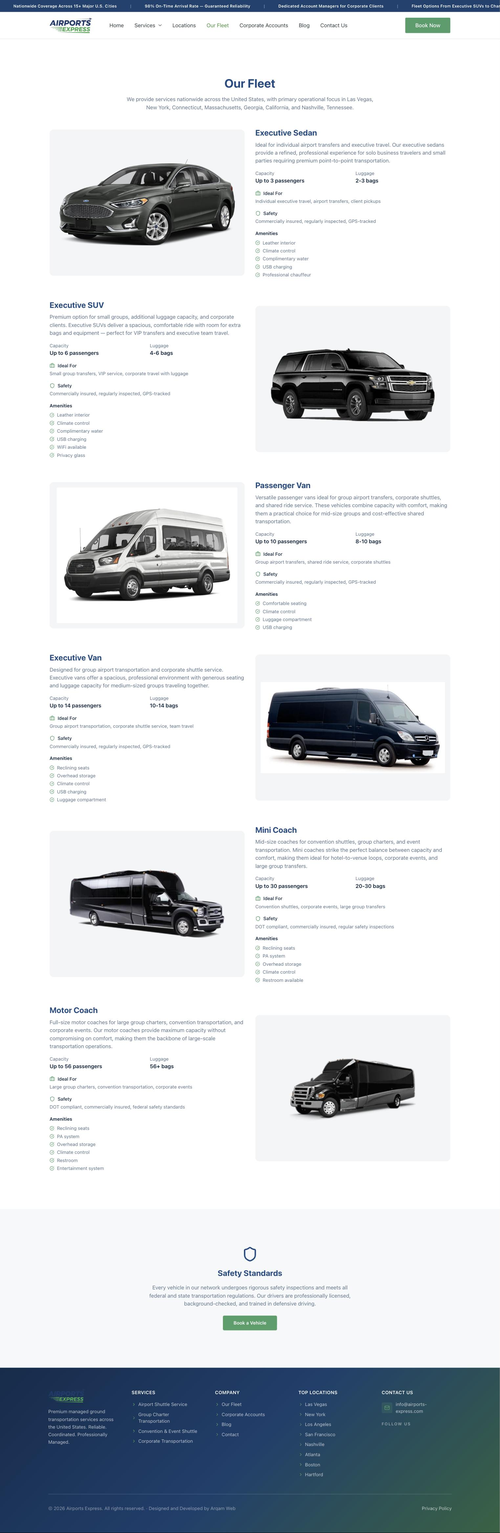
Some buyers choose by vehicle before they choose by company. Executive SUVs through to charter buses, laid out so the size of the job maps to something on the page.

A Corporate Accounts Route
A separate path for companies setting up an ongoing arrangement, because that enquiry is a different conversation from a single airport pickup.

A Blog Built for the Search Work
Put in place before it was needed, so the content side of the optimisation had somewhere to go from the first day.

Booking From Every Page
A booking route on each page, since someone who arrives from search on a service page should not have to go back to the homepage to act on it.
Behind the Results
Why this project succeeded

The Search Requirement Came First
Most sites get designed and then optimised. This one was specified from the search side.
The brief was not to build a website and then make it rank. It was that the site existed in order to be found. So the competitor study happened before the specification, and the specification set the structure: which service lines get their own pages, where locations sit, how someone who arrives on a service page books without going anywhere else. Design started once that was settled. Doing it the other way round produces a site you then have to argue with.

Reading the Competitors, Not Copying Them
We went through what was already ranking and used it to write a specification.
Looking at the sites that already win a market tells you what that market expects: which services are treated as separate, how location is handled, what a buyer is shown before being asked to book. We recorded it and used it to decide the structure. What we did not do was reproduce their pages. The point of the study was the shape of the thing, not its contents.

The Design Was Shown Before It Was Signed Off
Designed, coded, presented, changed, then built out.
We designed and coded the interface and put it in front of the client. He asked for changes and we made all of them. Only then did the rest of the pages get built on it. It is the sequence we use on every project, and it is the reason a revision costs an afternoon rather than a rebuild.

Still Running
This is the one project on this site that has not finished.
The pages are live and the search work has started. There are no rankings or traffic figures on this page, because it is too early for any of them to mean anything. When there are results worth publishing they will go here. Until then, what is true is what is written above: the brief, the study, the structure, the design, and the work now under way.
Sound Familiar?
What This Means For You
- Struggling with low traffic and zero visibility?
- Poor conversion rates despite good products?
- Slow, outdated website hurting your credibility?
- Competitors outranking you on every search?
Let's achieve similar results for your business.
Ready to Build a Website That Actually Makes You Money?
We build high-performance websites engineered for growth, revenue, and measurable business results.
Related projects.
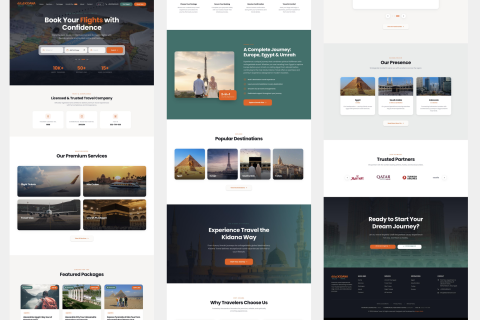
Kidana Travel Website
Custom Laravel Travel Platform with Online Booking
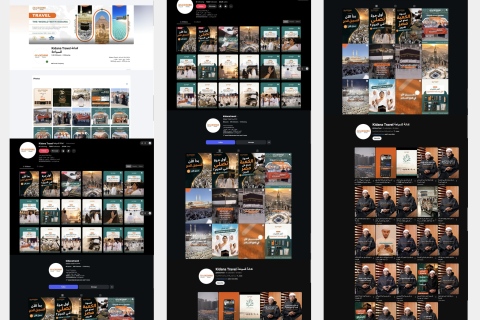
Kidana Travel Social Media
Social Media Marketing for Hajj and Umrah
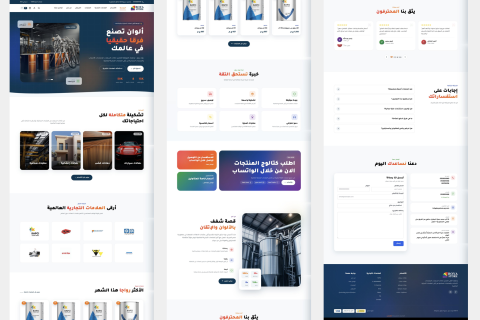
Boya Store Website
WooCommerce Store for a Multi-Brand Paint Retailer